

Regarding maintaining your concrete driveway in Ontario, grasping the unique challenges posed by our climate is essential. The province experiences significant freeze-thaw cycles, which can take a toll on concrete if it's not sufficiently cared for. With the right techniques and insights, homeowners can avoid cracking and prolong the life of their driveways, confirming they remain an attractive and functional part of your property for years to come.
Choosing the best driveway material and finish is equally important. Ontario residents often grapple with the choice between concrete and asphalt, especially when considering durability in harsh winter conditions. Additionally, there are various concrete surface finishes available, each offering unique benefits and aesthetics. In this article, we will discuss crucial aspects of concrete driveways, from key construction techniques to effective maintenance practices, so you can make informed decisions about your driveway investment and keep it looking its best through all seasons.
Effect of Freeze-Thaw Cycles on Concrete
Ontario's distinct climate brings about significant frost-thaw cycles, which can substantially affect the integrity of concrete driveways. When temperatures drop, moisture contained within the concrete can freeze, expanding and putting pressure on the surrounding material. Once the temperature increase, this ice melts, causing the concrete to contract. Ongoing cycles of freezing and melting can lead to surface deterioration, cracking, and ultimately, construction failure if the cement is not adequately designed or cared for.
To mitigate these issues, it's essential to incorporate appropriate materials and techniques during the setup process. Using air-void concrete, which contains tiny air bubbles, allows for the expansion of frozen water without causing damage. In addition, providing proper drainage helps keep moisture levels low, minimizing the potential for freeze-thaw damage. Homeowners should also consider using a sealer to shield the surface from water infiltration, which can further worsen these issues.
Regular maintenance is key to extending the lifespan of a cement driveway subjected to freeze-thaw conditions. Checking for early signs of damage, such as small cracks or flaking, enables timely repairs that can avert more extensive deterioration. Furthermore, reapplying sealers every few years helps to maintain a defensive layer against moisture and external factors, ensuring that your driveway remains strong and dependable in Ontario’s difficult winters.
Choosing the Best Cement Driveway Design
While choosing a cement driveway style, it's important to consider both visual tastes and practicality. Textured concrete offers a broad variety of patterns and textures that can resemble authentic stone or brick, providing a decorative touch to your property. This style can improve curb appeal considerably, making your pavement a standout feature. Conversely, it's vital to understand that stamped concrete requires regular care, such as sealing, to protect its surface and preserve its appearance over the years.
On the other hand, a broom texture concrete driveway is a sensible choice that provides a textured surface for better traction, making it safer during icy winter seasons. This finish is not as labor-intensive in terms of care compared to stamped concrete, as it doesn't require as much frequent sealing. For homeowners seeking a straightforward, robust, and low-maintenance solution, broom texture is an superior choice that combines functionality and affordability.
Revealed aggregate pavements combine durability and aesthetic interest, highlighting the natural stones within the cement mix. This design offers superb traction and requires little upkeep, making it suitable for Ontario's harsh winters. Revealed aggregate is great for those who want a unique look while providing long-lasting performance. When choosing your driveway design, take into account factors such as maintenance requirements, aesthetic appeal, and how well the option will tolerate the weather conditions common in Ontario.
Crucial Maintenance Advice for Ontario's Driveways
Looking after your concrete driveway in Ontario requires regular attention, notably given the drastic seasonal fluctuations. One of the key maintenance jobs is coating your driveway. Applying a good sealer helps shield against water infiltration and diminishes the likelihood of damage caused by frost-thaw cycles. It's ideal to seal your driveway around 2 to three years, guaranteeing that the surface stays water-repellent and not prone to deterioration from water and ice melt.
Another important part of driveway maintenance is to keep the surface clear and free from debris. Consistently sweeping away fallen leaves, dirt, and snow prevents staining and growth of moss or algae, which can lead to deterioration. Additionally, if you see any marks from oil or rust, it's wise to handle these quickly using suitable cleaners to stop long-term damage. Routine cleaning not just enhances the drive's appearance but also enables early identification of any issues that may need repair.
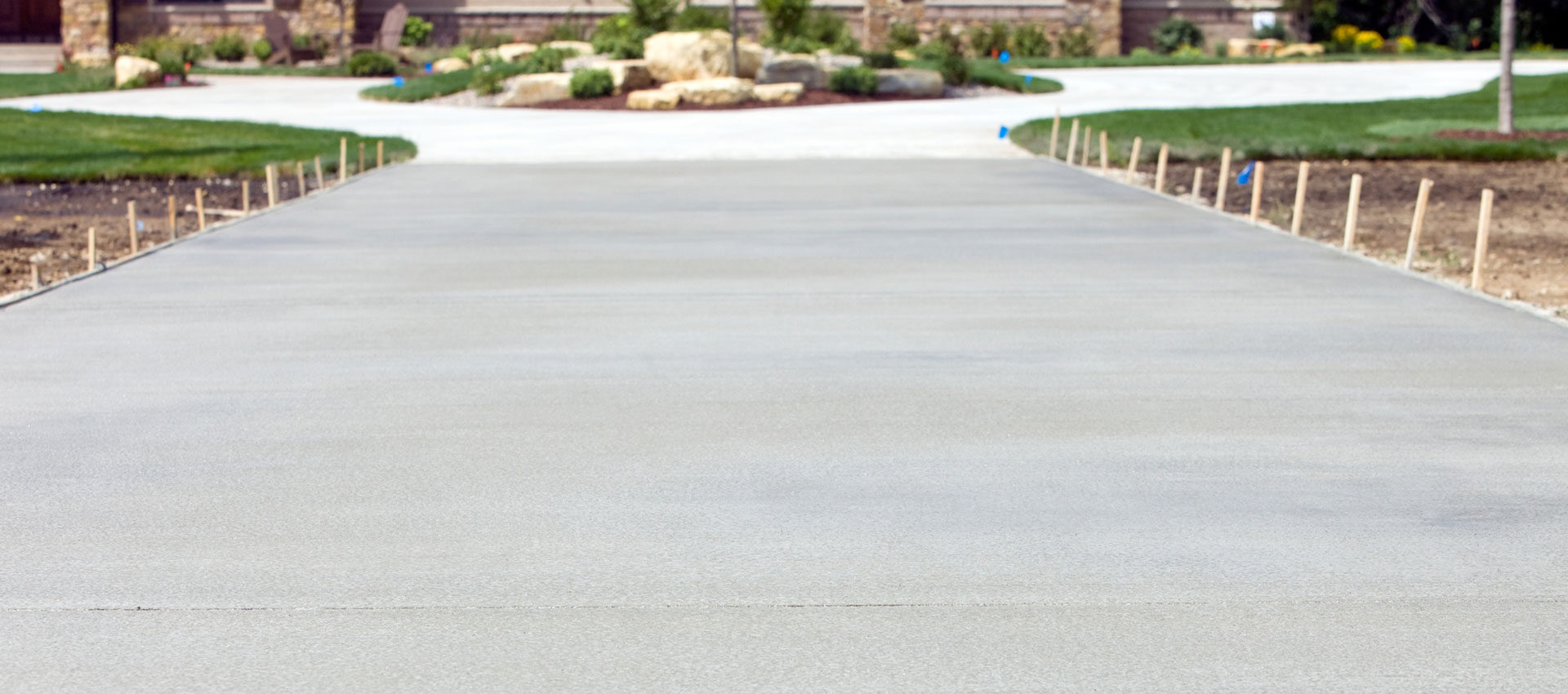
In conclusion, pay close attention to the drainage system around your driveway. Proper drainage is essential to avoid water accumulation and frost heave. Making sure the driveway is pitched correctly and that gutters and downspouts lead water off will help prevent moisture-related issues. If you see any pooling or signs of runoff towards your garage, contemplate creating drainage solutions or modifying the grading to safeguard your driveway's structural integrity. Routine checks and maintenance will keep your concrete driveway in top condition for a long time to come.